ABOUT
An attorney who leaned all the way in to AI, and here we are.
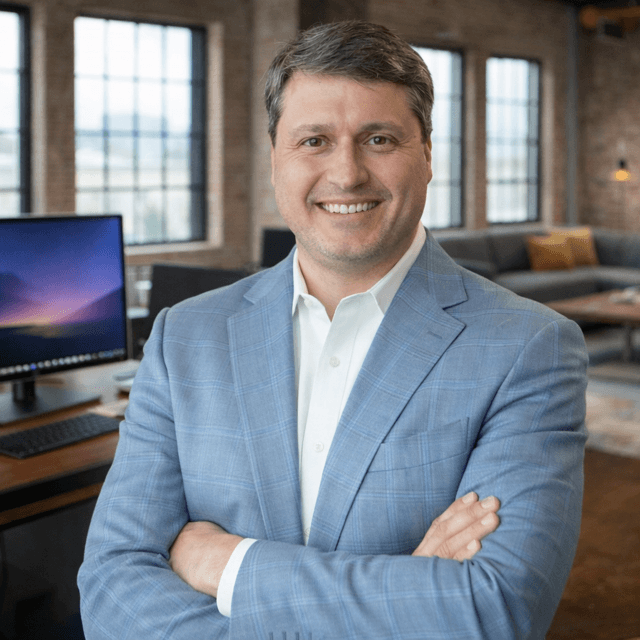
I'm a real estate title attorney based in New Orleans. I've spent more than twenty years working on Louisiana property transactions — examining titles, clearing curative issues, and closing deals — in one of the most procedurally distinctive real estate systems in the country. Louisiana's civil law tradition, forced heirship rules, succession quirks, and unique public records system mean that practicing title law here is a specialty within a specialty.
A few years ago, I started paying attention to what AI tools could actually do. I spent time with the models, read the documentation, and began experimenting with applying them to real problems in my own practice. The more I used them, the more obvious it became: the title industry was about to change, and most of my peers had no idea.
So I started building.
I learned enough Next.js, TypeScript, and Supabase to ship production tools. I built an AI-assisted title examination workflow, a knowledge retrieval system over my firm's institutional documents, and a growing stack of internal automations that make our practice faster and more reliable. I set out to solve problems that general-purpose tools couldn't handle, and building turned out to be the only way to do it.
Around the same time, I started teaching. I developed an AI course for real estate professionals and have trained more than fifty agents, brokers, and staff on how to actually use these tools day-to-day. The gap between what AI can do and what professionals actually know how to do with it is enormous, and it's widening every month.
Now I spend my time on three intersecting tracks. I practice real estate law and run a title company. I build AI tools for the work I do and, increasingly, for the broader real estate industry. And I write — about AI legislation across all fifty states, about how AI is reshaping real estate and urban planning, about what it looks like to build production systems as a solo practitioner, and about the broader question of what professional work becomes when everyone has access to a capable model.
I'm also working on a research project applying AI to urban intelligence in New Orleans — using parcel-level data, title history, flood risk, and market signals to think more rigorously about how a city shapes itself. That work is separate from my legal practice, but it draws on the same instinct that got me building AI tools in the first place.
If you're a real estate or legal professional trying to make sense of AI, a developer or founder working at the intersection of law and technology, a journalist covering AI regulation, or a team building something I'd find interesting — I'd like to hear from you. I'm open to conversations about advisory work, speaking, writing, and roles that mix law and technology.